
Does the New European Regulation Favor Plastic?
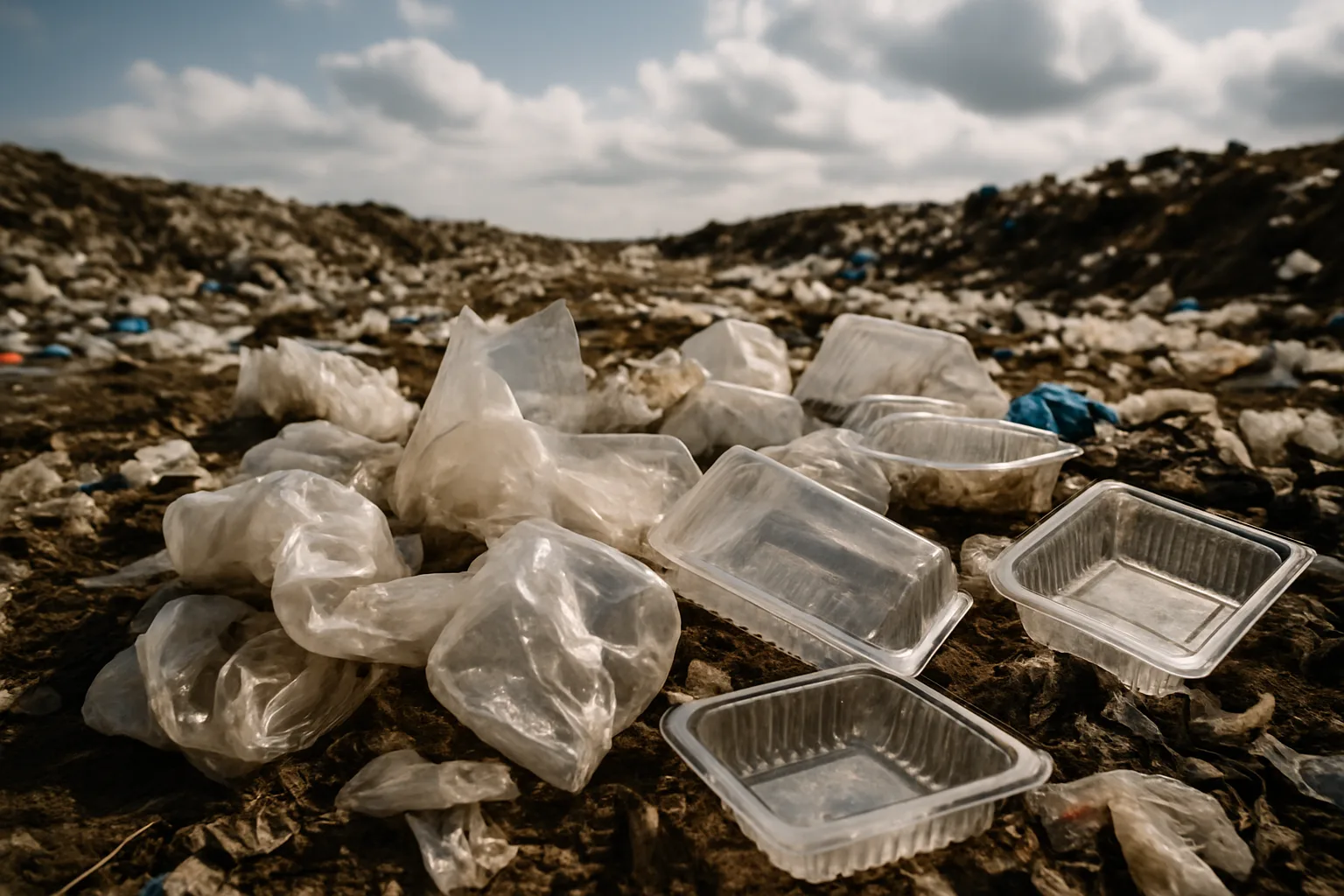
Introduction to the New European Packaging Regulation
The recent European packaging regulation has sparked considerable debate. According to organizations like Greenpeace, the rule is a step backward in the fight against plastic. Let's analyze the key points of this regulation and its impact.
The regulation was approved with the goal of reducing single-use plastic, but it faces criticism for its lack of environmental ambition. Does it truly fulfill its purpose?
Why Is the Regulation Being Criticized?
Greenpeace and other environmental groups argue that the EU has yielded to pressure from the packaging sector. They claim the rule allows the continued use of single-use plastics across various industries.
- It is estimated that plastic production could reach 500 million tons by 2030.
- Packaging accounts for approximately 40% of the plastics used in Europe.
Economic Impact of the Regulation
From an economic standpoint, the regulation could affect various sectors. Companies face the need to adapt their production processes, which could translate into additional costs.
End consumers could also feel the impact on their wallets. Prices for products with more sustainable packaging are expected to be higher initially.
Sustainable Alternatives to Single-Use Packaging
There are several alternatives that can reduce the environmental impact of packaging:
- Reusable packaging: Options such as reusable bottles and cloth bags.
- Biodegradable materials: Plastic substitutes that decompose more quickly.
- Deposit-return systems: These facilitate the recycling and reuse of packaging.
Conclusion: Where Are We Headed?
To move toward a more sustainable economy, it is crucial for European regulations to be stricter on single-use plastics. Only then can we reduce environmental impact and foster real change in the industry.
The transition to more sustainable packaging is an economic challenge, but also an opportunity to innovate and develop new products and technologies.