
Rural Entrepreneurship: Innovation and a Sustainable Future
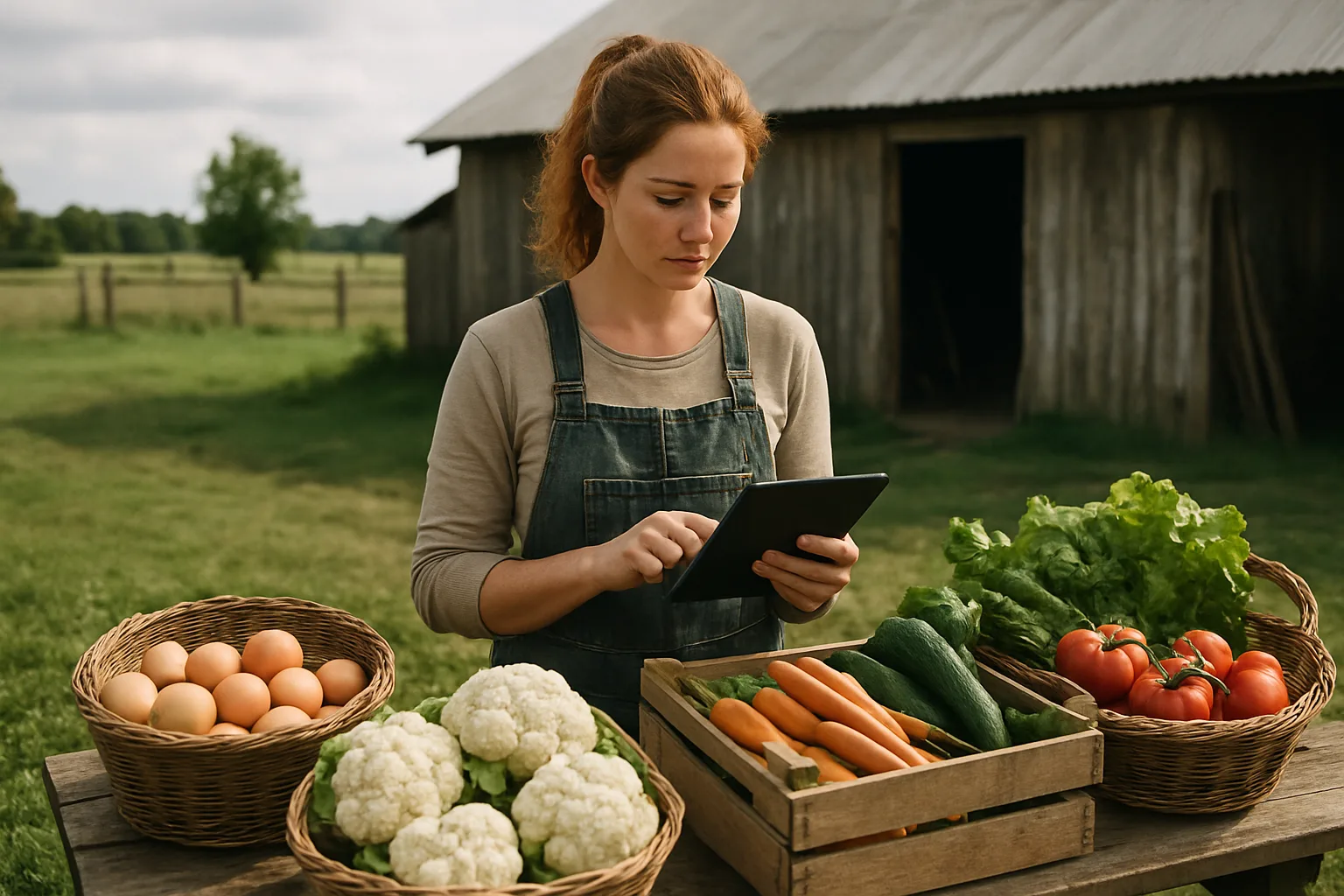
The Rise of Rural Entrepreneurship
In recent years, rural entrepreneurship has gained prominence as a driver of sustainable development. Rural areas are home to valuable resources that, with the right technology, can be utilized efficiently.
Additionally, support from financial institutions like BBVA has been fundamental. In 2022, 84% more resources were allocated to rural projects than in previous years.
Technological Innovation and Its Impact
Technology plays a crucial role in rural transformation, from agricultural drones that optimize harvests to smart irrigation systems that conserve water.
Concrete Examples
- Agricultural drones: facilitate crop monitoring, reducing losses.
- Solar energy kits: provide electricity in remote areas.
Economic and Social Benefits
Rural entrepreneurship offers multiple benefits, both economic and social. Local jobs, economic growth, and a renewed sense of community are just a few of them.
For example, in 2023, it was estimated that employment in rural areas grew by 5% thanks to new ventures.
Challenges to Face
Despite these advancements, rural entrepreneurs face significant challenges. Access to funding and training remains a barrier.
Additionally, insufficient infrastructure in remote areas hinders logistics and access to broader markets.
Institutional Support and the Future
The future of rural entrepreneurship largely depends on institutional support. Government and private initiatives are essential to foster an enabling environment.
Investing in education and technical training can make all the difference for many potential entrepreneurs.
Personal Perspectives
As a writer, I believe the potential of rural entrepreneurship is immense. With the right technology and support, it can transform lives and entire communities.
However, it is crucial for governments and the private sector to work together to overcome current obstacles.