
Fake AI Images on Social Media: How to Spot Scams
Fake AI images on social media have ceased to be a mere technological curiosity and have become a direct economic risk for users and businesses. Following the recent railway incident in the province of Toledo, digital platforms were flooded within minutes by hyper-realistic photographs and video sequences filled with anatomical and architectural anomalies. This phenomenon demonstrates that the synthetic generation of content not only manipulates public opinion, but also triggers heavy financial losses linked to cybercrime, operational disinformation, and fraudulent insurance claims.
What the Video Explains
The audiovisual document provides a detailed analysis of how generative diffusion algorithms can recreate disaster scenarios in seconds based on a basic text prompt. Through several clear examples, it shows how viral posts accumulated millions of views in just a few hours, serving as the perfect bait to drive traffic to fraudulent websites riddled with malware and deceptive advertising.
The video report highlights the most recurring errors observed in the footage of the Toledo accident: train cars merging implausibly with the tracks, shadows cast at angles opposite to real sunlight, and background figures with deformed limbs. These technical inconsistencies are the signature of generative engines like Midjourney v6 or Stable Diffusion XL when left unsupervised.
Furthermore, the footage emphasizes the direct harm caused to emergency services and public infrastructure. The unchecked spread of these images forced the deployment of technical verification teams and the issuance of official denials, resulting in an unjustified diversion of logistical and human resources whose computable cost exceeded tens of thousands of euros during critical hours.
The Economic Cost of Fake AI Images on Social Media
The financial impact resulting from the proliferation of synthetic content on social platforms has reached historic highs in 2026. Impersonating real events through altered frames not only distorts public perception, but also opens the door to identity theft scams and high-precision phishing attacks. An average user who clicks on a malicious link associated with a fake news story about an accident can lose between 300 and 4,000 euros in direct banking fraud.
For small and medium-sized enterprises, visual disinformation represents an emerging threat to brand reputation. When a corporation's image is mistakenly linked to a fabricated disaster caused by fake AI images on social media, commercial losses due to contract cancellations and dropping consumer trust average 25,000 euros per incident. Companies are forced to allocate extraordinary budgets to crisis management and real-time brand auditing.
On the other hand, the insurance sector has had to completely rethink its forensic procedures. The submission of synthetic photographs to collect false compensation for vehicle or property damage has increased by 34% compared to the previous year. This has led to a widespread 12% annual increase in property damage insurance premiums, forcing honest policyholders to absorb the costs of cyber fraud.
What the Video Explains
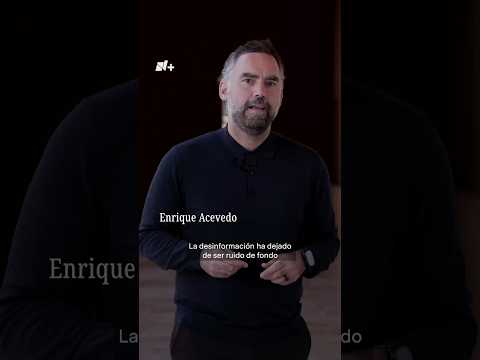
In this video (Chaos and fake news: the risks of AI - N+), the core of the issue is visually explained. In summary: The use of Artificial Intelligence has made life easier for millions of people, but it has also become a dangerous tool...
How to Identify Fake AI Images on Social Media Step by Step
Anatomical Details and Shadows
To detect an artificially altered image, the first step is to zoom in with high resolution on secondary elements of the scene. Generative tools frequently struggle to render hands, joints, and textual logos on clothing or signs. In the shots of the Toledo incident, for example, several train cars displayed illegible serial numbers and completely fabricated railway logos that do not belong to real operators.
Another crucial aspect is the analysis of lighting and perspective. Shadows cast by fixed objects must maintain strict geometric consistency with the primary light source—something AI does not always calculate logically. If you notice objects on the left casting shadows to the right while people in the center cast shadows backward, you are undoubtedly looking at a synthetic composition.
Verification Tools and Their Costs in 2026
Several technological resources are available to audit the origin of a media file before sharing or accepting it as real:
- InVID WeVerify: A free web browser extension that breaks videos into keyframes and executes reverse image searches across multiple engines.
- Hive Moderation: An automated detection service offering a basic free plan and professional subscriptions from 49 euros per month for bulk file analysis.
- Sightengine: An API platform focused on identifying synthetic content and deepfakes at an average cost of 0.002 euros per analyzed image.
- Optic AI or Not: A quick web inspection tool offering 10 free checks per day and unlimited plans for journalists for 15 euros per month.
- Google Lens / Reverse Image Search: A 100% free tool integrated into mobile devices that helps trace the chronological origin of an image's first online appearance.
Comparison of Anti-Fraud and Artificial Intelligence Tools
Choosing the right verification tool depends on the volume of inspections required and the available budget. Below is a comparison of the top market alternatives regarding cost and detection accuracy:
| Tool | License Type | Approximate Price (2026) | Accuracy Rate | Recommended Use |
|---|---|---|---|---|
| InVID / WeVerify | Freeware / Open Source | €0 / Free | 88% | Individual users and journalists |
| Hive Moderation API | Subscription / Pay-as-you-go | From €49/month | 96% | Media outlets and SMEs |
| Sightengine Deepfake Detect | Consumption API | €0.002 / request | 94% | Developers and insurers |
| Sensity AI Security | Enterprise Custom | From €299/month | 98% | Banking and cybersecurity departments |
Financial Risks and Fines Associated with Fake AI Images on Social Media
The intentional or reckless publication of manipulated content carries not only social condemnation, but also severe legal penalties. Under the European AI regulatory framework in effect in 2026, creating deepfakes without proper watermarking or provenance metadata (C2PA) can incur multi-million euro administrative fines.
Digital platforms that fail to implement effective filters to curb the virality of fake AI images on social media face penalties of up to 7% of their annual global turnover. Similarly, individuals who use these images to execute fake fundraising scams or fraudulently collect insurance claims commit aggravated fraud offenses, punishable by 1 to 6 years in prison along with the obligation to return the full defrauded amount plus late fees.
The legal cost of defending oneself in court over AI defamation or fraud charges is extremely high. Hourly fees for lawyers specializing in tech law and digital forensics range between 150 and 350 euros, proving that creating or sharing these files can financially ruin an individual in a matter of months.
Common Mistakes When Consuming and Sharing AI-Generated Content
The fast pace of social media drives many users to make serious errors in daily information management. To avoid falling into digital traps or collaborating with cybercriminals, it is helpful to recognize the most common mistakes:
- Reacting purely on emotional impact without verifying: Shocking disaster images are designed to bypass critical thinking and trigger immediate clicks or reshares.
- Blindly trusting accounts with a blue checkmark: Paid verification on social networks does not guarantee the truthfulness of content posted by that profile.
- Ignoring obvious visual inconsistencies: Failing to check details like distorted text, deformed hands, or impossible reflections before accepting a photo as genuine.
- Not checking the original source and date: Assuming a generated image is current when it may have been published weeks earlier as an artistic experiment or fiction.
- Downloading attachments from suspicious posts: Clicking on links from unverified sources claiming to show the full accident video, which actually install spyware.

Cost-Saving Strategies for Businesses and Individuals Against Disinformation
Protecting personal and corporate finances against the rise of generative artificial intelligence does not require massive spending if proper cyber hygiene habits are adopted. First, individuals should refrain from making financial donations to charitable causes following a natural disaster or accident without first checking the NGO's legitimacy in official registries, saving hundreds of euros from fake solidarity scams.
In the corporate sphere, implementing two-factor authentication (2FA) policies using physical security keys like YubiKey (starting at 55 euros) prevents corporate social media account hijacking. Maintaining control over official profiles prevents cybercriminals from taking over a brand's account to publish fake AI images on social media that could tank the company's commercial value.
Additionally, taking out cyber risk insurance policies that include legal defense against digital identity theft and synthetic extortion has become a highly profitable investment. With an average annual cost of 180 euros for freelancers, these policies cover expenses related to IT forensics and reputational damage claims, amortizing the cost against any digital contingency.
Conclusion and Final Thoughts on the Future of Digital Verification
The unchecked spread of manipulated images, such as those seen during the recent railway accident in Toledo, marks a turning point in how we consume information online. Generative technology will continue to advance rapidly in the coming years, blurring the line between reality and synthetic simulation even further.
In my view, the solution to this trust crisis will not come solely from laws or moderation algorithms, but through digital literacy among users themselves. The ability to systematically question content, audit sources, and use free or low-cost verification tools will be the most valuable skill for protecting our money and digital security in the age of artificial intelligence.
Taking a few minutes to verify a shocking news story before sharing it not only prevents the spread of chaos, but directly protects consumer wallets from the network of scams thriving under the shadow of visual disinformation.
Keep Reading
- Discover more about the latest trends in AI and image/video
- Protect your business with our cybersecurity articles
- Explore the best AI tools reviewed by experts
Frequently asked questions
What is the cost of using professional software to detect AI images?
Advanced enterprise detection platforms typically cost between 49 and 299 euros per month depending on API request volume. However, there are free tools and browser extensions that allow preliminary analysis of metadata and synthetic patterns at no cost.
What fines exist for spreading fake AI images on social media?
Under the European AI Act and cybersecurity regulations applicable in 2026, malicious creation and mass dissemination for scamming or severe disinformation can carry penalties of up to 35 million euros or 7% of global annual turnover for companies.
How do synthetic accident photos impact insurance companies?
Insurers face multi-million euro costs due to fraudulent claims based on manipulated images. This has forced a 12% increase in annual insurance premiums so companies can fund new digital forensics departments and inspection software.
Can I claim compensation if I suffer a scam from a synthetic image?
Yes, victims of financial scams generated through visual identity forgery can legally claim the restitution of funds from their banking entities or through specific cyber fraud coverage, which usually costs between 15 and 45 euros per year.


